

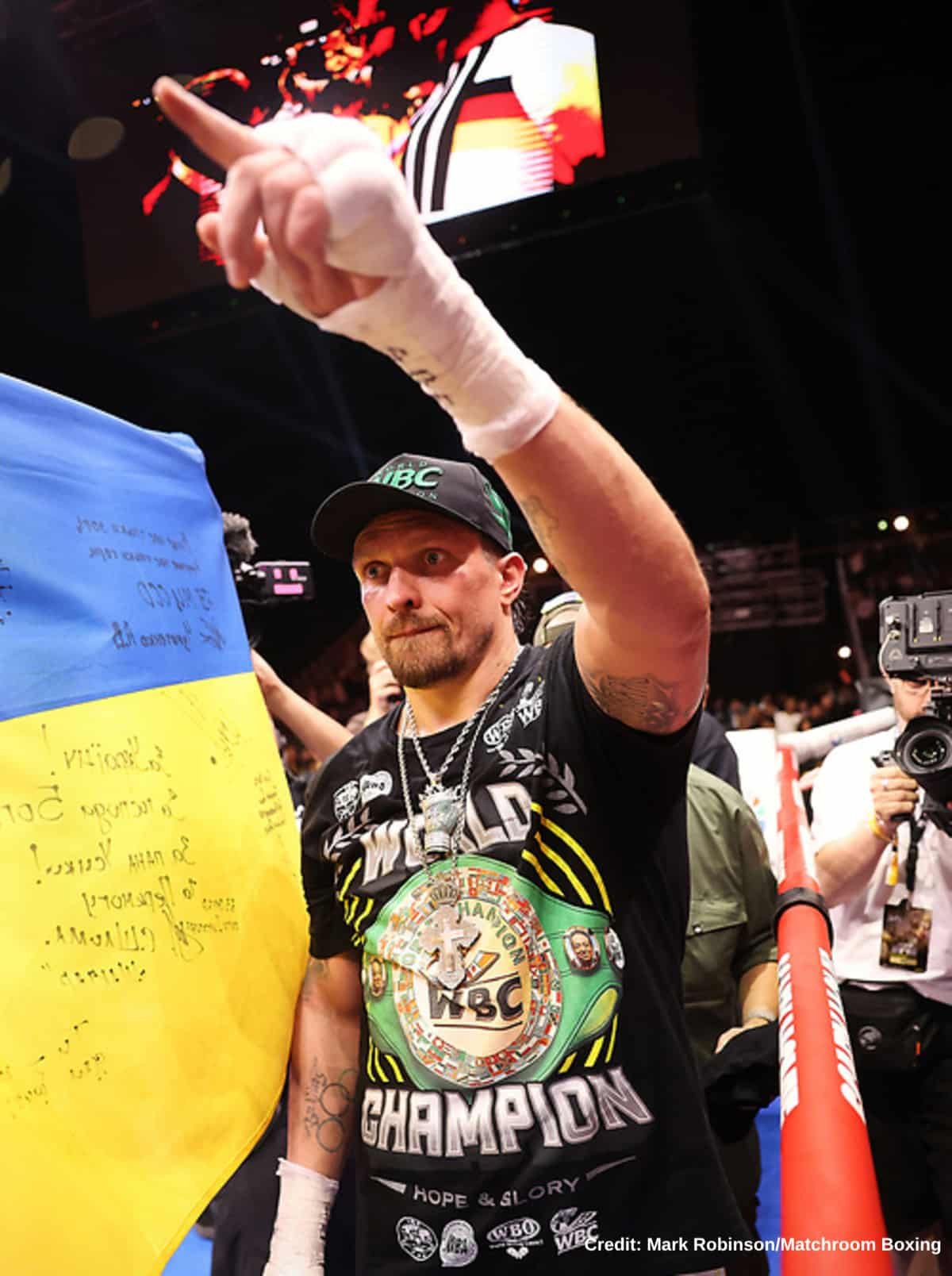


Usyk’s performance against Verhoeven changed the way that matchup should be viewed. He needed an eleventh-round stoppage to defeat a kickboxer competing in only his second professional boxing match. Verhoeven was leading 96-94 on one scorecard, with the other two judges tied at 95-95 when the fight was stopped.
The Dutchman created difficulty through his size, patience and physical pressure. Wilder would present a completely different test. He relies on space and hesitation before driving his right hand straight down the middle.
Usyk would likely control most of the exchanges with his southpaw angles, feints and constant changes of rhythm. Those shoulder twitches and foot movements are especially useful against Wilder, who spent long stretches waiting for perfect openings against Joseph Parker, Zhilei Zhang and Derek Chisora.
Damaging punches are not required to take advantage. Usyk can score with light jabs, step away and accumulate rounds while Wilder remains reluctant to release his right hand. That may leave Wilder trailing badly before he becomes aggressive.
The threat increases if Usyk’s legs no longer carry him through twelve rounds. A small decline in foot speed may prevent him from completing his exits or getting outside Wilder’s lead foot. Circling left or pulling away in a straight line would place him within the path of Wilder’s best punch.
Mobile heavyweights do not always decline in steady stages. Once the legs slow, exchanges that were previously avoided begin taking place at closer range. Usyk survived difficult nights against Daniel Dubois, Tyson Fury and Verhoeven, but Wilder possesses greater one-punch power than any of them.
Wilder’s split decision over Chisora did little to erase the hesitation that has followed him through recent fights. His name still carries more American commercial value than younger heavyweight contenders, which helps explain why Usyk wants him for a United States farewell.
The matchup gives Usyk the recognizable opponent he needs. His trouble against Verhoeven also showed why choosing Wilder carries more risk than his recent form suggests.
