

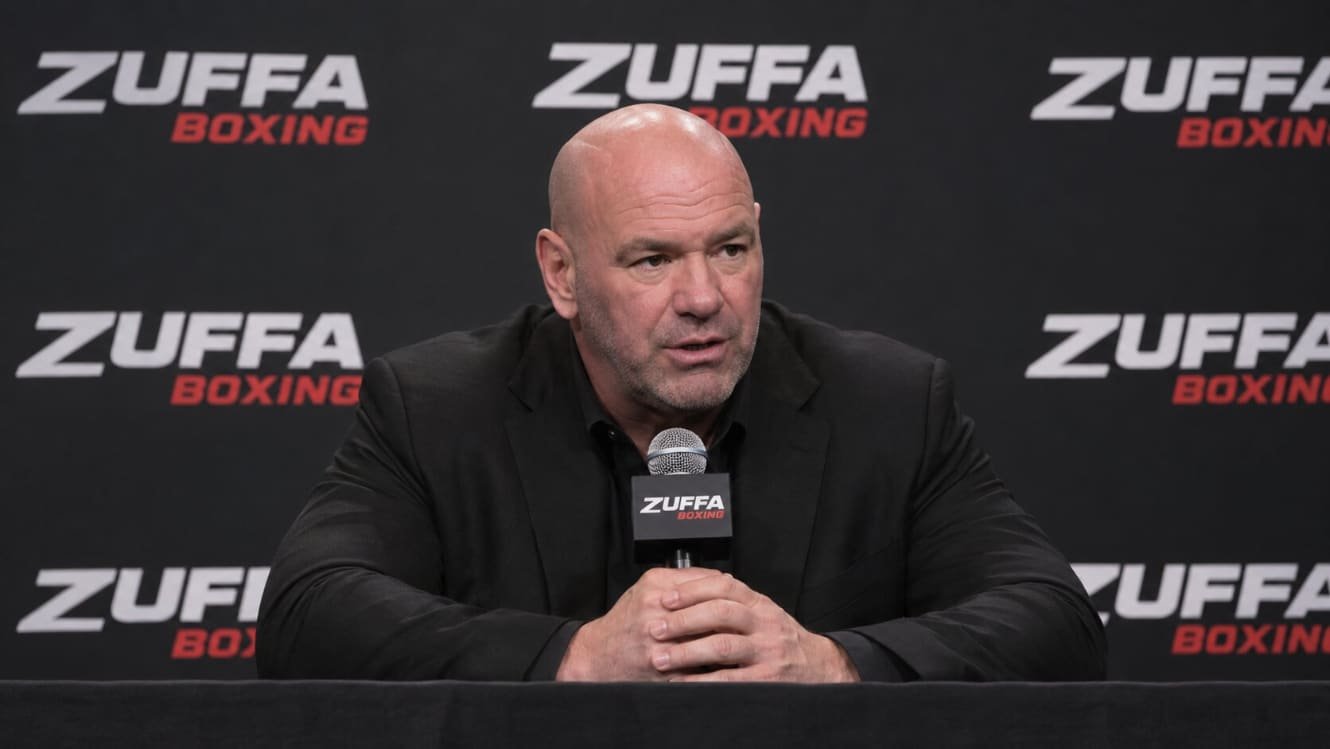
Paramount’s acquisition of Warner Bros. Discovery may saddle Zuffa Boxing with an urgent assignment: extracting cold cash directly from combat sports fans to chip away at a massive mountain of red ink. Boxing represents the cleanest vehicle to revive traditional pay-per-view without torpedoing the consumer pledge Paramount used to lock down its flagship UFC audience.
Chris Mannix pointed directly to this financial squeeze once regulatory authorities cleared Paramount to absorb Warner Bros. Discovery. The merged entity inherits roughly $79 billion in net debt, strapping executives into a vise where routine subscription fees and regular commercial inventory simply cannot generate enough immediate liquidity.
Combat sports provide an irresistible target for extra fees, yet UFC remains completely untouchable behind a secondary paywall. Paramount locked down TKO with an average payout of $1.1 billion each year through 2032 by guaranteeing numbered UFC spectacles as standard content inside a basic Paramount+ membership. Slapping an eighty-dollar fee back onto UFC cards would obliterate the core consumer proposition, ignite mass cancellations, and publicly announce that the flagship direct-to-consumer blueprint collapsed under its own weight. Paramount spent months boasting about explosive viewership gains achieved by dismantling the old ESPN transactional model, meaning any retreat on mixed martial arts would represent pure corporate surrender.
Zuffa Boxing provides Dana White and his corporate partners complete operational leeway.
Federal statute restricts White from stamping the UFC business structure over professional boxing. The Muhammad Ali Boxing Reform Act forces financial transparency between combatants and promoters while forbidding the promotional monopolies common inside the octagon. Boxers retain genuine leverage, independent sanctioning bodies dictate mandatory challenges, and elite prizefighters run their own operations.
Top attractions flatly refuse to scrap for mixed martial arts table scraps. Ryan, Tyson Fury, and Anthony Joshua will not slash their demands simply because White stepped across promotional boundaries. Paramount cannot absorb recurring thirty-million-dollar purses purely from basic subscriber margins without wrecking its balance sheet.
Pay-per-view dumps that financial load straight into the consumer’s wallet. DAZN crashed into that identical reality years ago. The platform invaded boxing shouting that pay-per-view was dead, yet eight-figure fighter commitments shredded their balance sheet within twenty-four months. DAZN executives were forced to swallow their words, reverse course, and stick blockbuster fights behind an extra transactional wall while still billing customers monthly.
Paramount bypasses that promotional disaster because leadership never swore an oath to eliminate boxing pay-per-views. Subscribers were promised inclusive UFC programming, not an endless run of complimentary elite boxing matches.
Routine Zuffa events can remain on basic streaming to maintain platform engagement and build preliminary prospects. The moment an elite draw like Ryan steps into the ring, Paramount can sever the broadcast from the baseline tier and demand a standalone fee.
The Warner Bros. Discovery empire provides massive promotional muscle to drive those high-ticket transactions. Bleacher Report targets a younger, hyper-active mobile demographic, while TNT Sports commands huge traditional cable audiences through major professional leagues. HBO dismantled the historic division that dictated the sport for decades, yet its archive of legendary championship fights gives Paramount immense brand equity when marketing major events to older consumers.
Standalone pay-per-view packaging also shelters Paramount from platform churn. Transitory fight viewers routinely purchase one month of access, watch the main event, and hit the cancel button before a second billing cycle clears. Slapping a dedicated event tag onto a marquee card forces casual observers to pay maximum price upfront instead of scavenging premium boxing at bargain subscription rates.
TKO Group secures the ideal corporate balance under this approach. UFC delivers steady, long-term rights money on the balance sheet, while Zuffa Boxing opens the door to unlimited upside during mega events. Low buy rates leave the primary UFC broadcast package unharmed, whereas a massive blockbuster funnels direct revenue into TKO coffers.
Mannix nailed the core dilemma facing this merger. Crushing debt forces Paramount to discover fresh revenue streams immediately, yet UFC is locked in as the subscriber anchor. Zuffa Boxing represents a weapon in the arsenal, functioning as the corporate pay-per-view cash register.
AI-generated image.
