

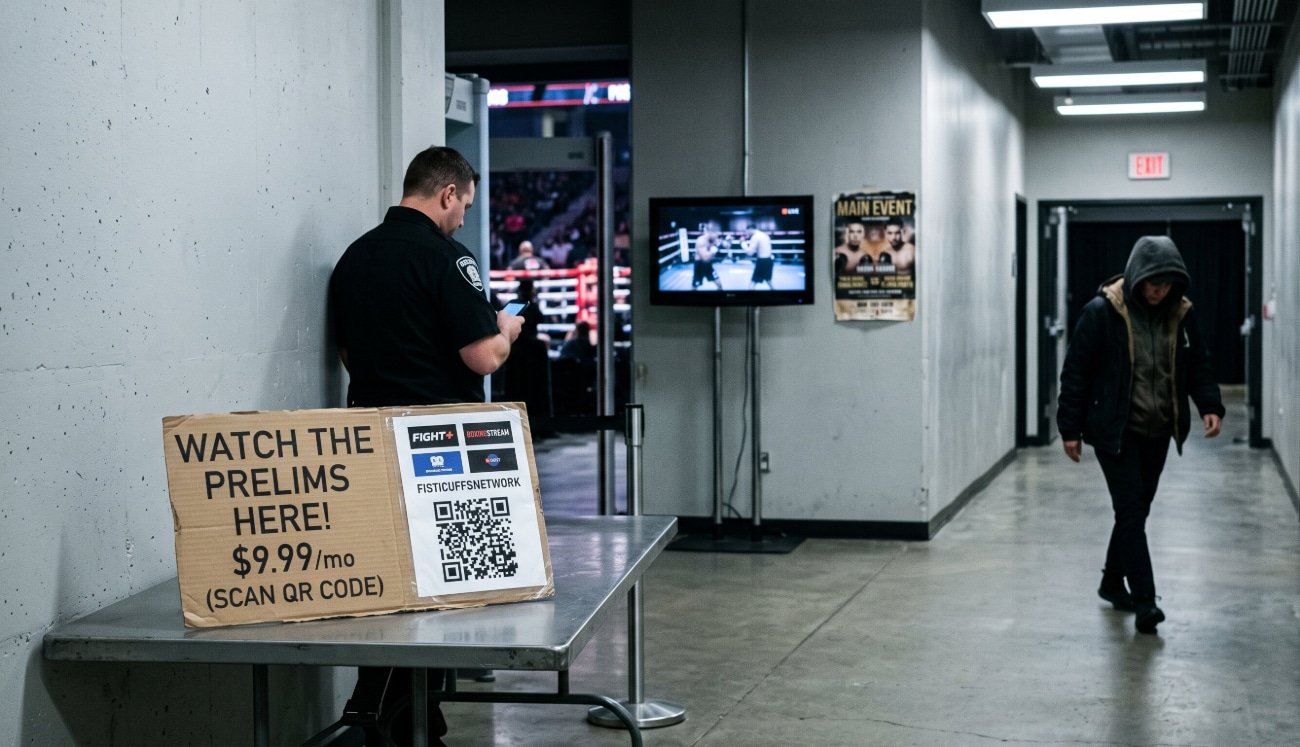


“Undercard bouts hidden behind subscription paywalls becoming a thing. (I’m thinking of Wynn Records, Zeus, of course, and now Prime video.) All well and good, I suppose, but I’m not sure this is the best way to build interest in up-and-coming boxers,” said Houston on X.
Darshan Desai offered an example from the Claressa Shields undercard on Zeus.
“I watched the Zeus undercard for Shields, it peaked at like 35k live viewers.”
Thirty-five thousand viewers may satisfy a smaller streaming service, but it offers limited reach for prospects trying to establish a name. Most subscribers purchase access for the featured headliner and never tune in several hours earlier.
A developing fighter cannot become a draw if the broader public never sees him perform. Promoters expect premium platforms to create recognizable stars while simultaneously cutting off the audience capable of discovering them.
Free preliminary coverage serves a far more practical purpose. YouTube broadcasts reach casual fans, circulate through recommendation feeds, and generate highlights that remain easily accessible. A developing fighter who scores an entertaining knockout can gain more attention from a single viral clip than from numerous outings locked away on a paid app.
The undercard should operate as a promotional funnel. Offer free access early, let fighters create demand, and start charging viewers once an audience exists.
Prime Video presents a slightly different situation because of its enormous subscriber base, yet putting early fights behind an extra paid tier still restricts viewership. Fans already juggling multiple sports subscriptions will rarely buy another package just to watch unfamiliar fighters.
Boxing consistently struggles to develop stars outside its main events. Walled-off undercards make that process harder. The immediate subscription revenue might help balance an event budget today, but free prelims give promoters a better opportunity to create tomorrow’s headline attractions.
