

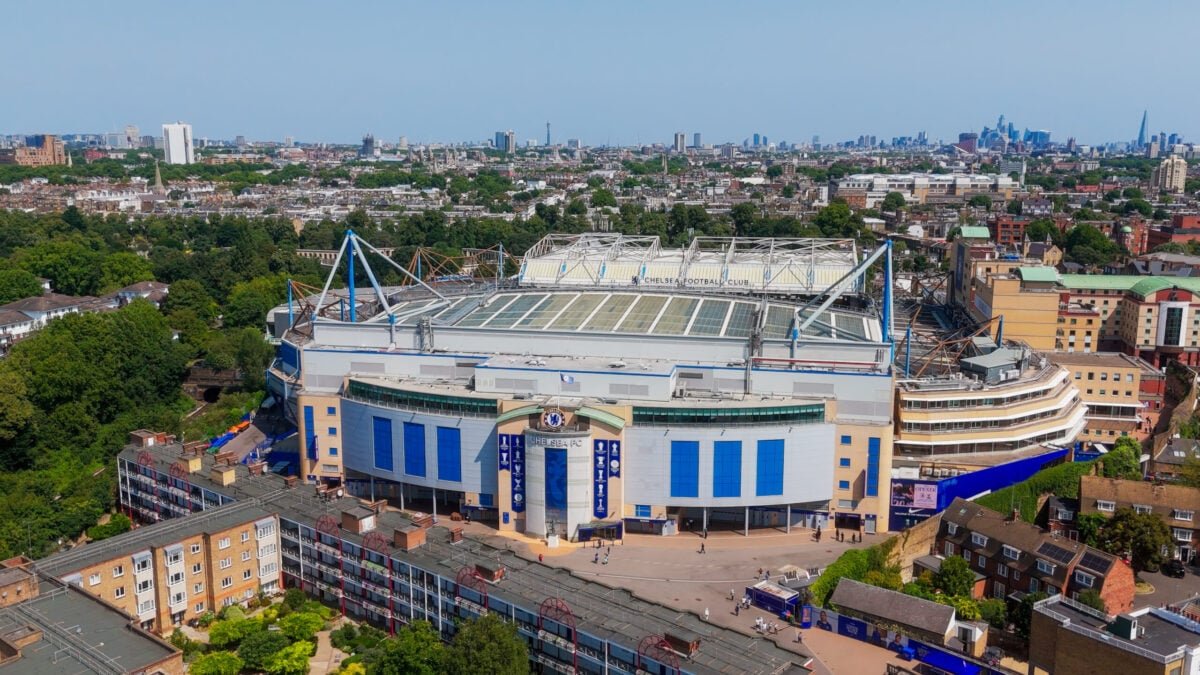
Chelsea have handed out seven, eight, and eight-and-a-half-year contracts since their current ownership group took charge in 2022. Most of the first-team squad is tied down until at least 2029.
Here, William Hill News look at the reasons why clubs like Chelsea give lengthy contracts to players and how amortisation was utilised by the majority of big clubs across European football before intervention from Europe’s governing body.
What is Amortisation in Football?
Amortisation in football is spreading the cost of a transfer fee across the length of a contract. For example, a £100 million fee for a player on a five-year deal is only accounted as £20 million per season.
Why Did Chelsea Start Handing Out Such Long Contracts?
Chelsea were the first adopters of amortisation under Todd Boehly and the Clearlake regime as they aimed to abide by PSR and FFP regulations. It led to years of eight-plus years for Mykhailo Mudryk and Enzo Fernández.
Has the Amortisation Loophole Closed?
Yes, UEFA opted to close the amortisation loophole in 2023. Deals can only be amortised for five years.
The Premier League made the same decision, but notably did not back date the closing of the loophole, so previous contracts still benefit from being stretched over a longer period.
Teams still get the advantage of long-term contracts, including lower, controlled wages, and leverage when selling players.
How Long is Cole Palmer’s Contract?
Cole Palmer is under contract with Chelsea until the end of the 2022-23 season. Other long contracts include:
- Geovany Quenda until 2034
- Morgan Rogers until 2033
- João Pedro until 2033
- Dário Essugo until 2033
- Moisés Caicedo until 2033
- Estêvão until 2033
- Reece James until 2032
- Jamie Gittens until 2032
Why Do Chelsea Sign Players On Such Long Contracts?
Chelsea sign players to long contracts to aid with their accounting and compliance of FFP and PSR, as well as giving them leverage in contract negotiations and when selling players.
Can Football Clubs Still Spread Fees Over Eight Years?
No, amortisation is capped at five years by UEFA and the Premier League due to new legislation in 2023.
