

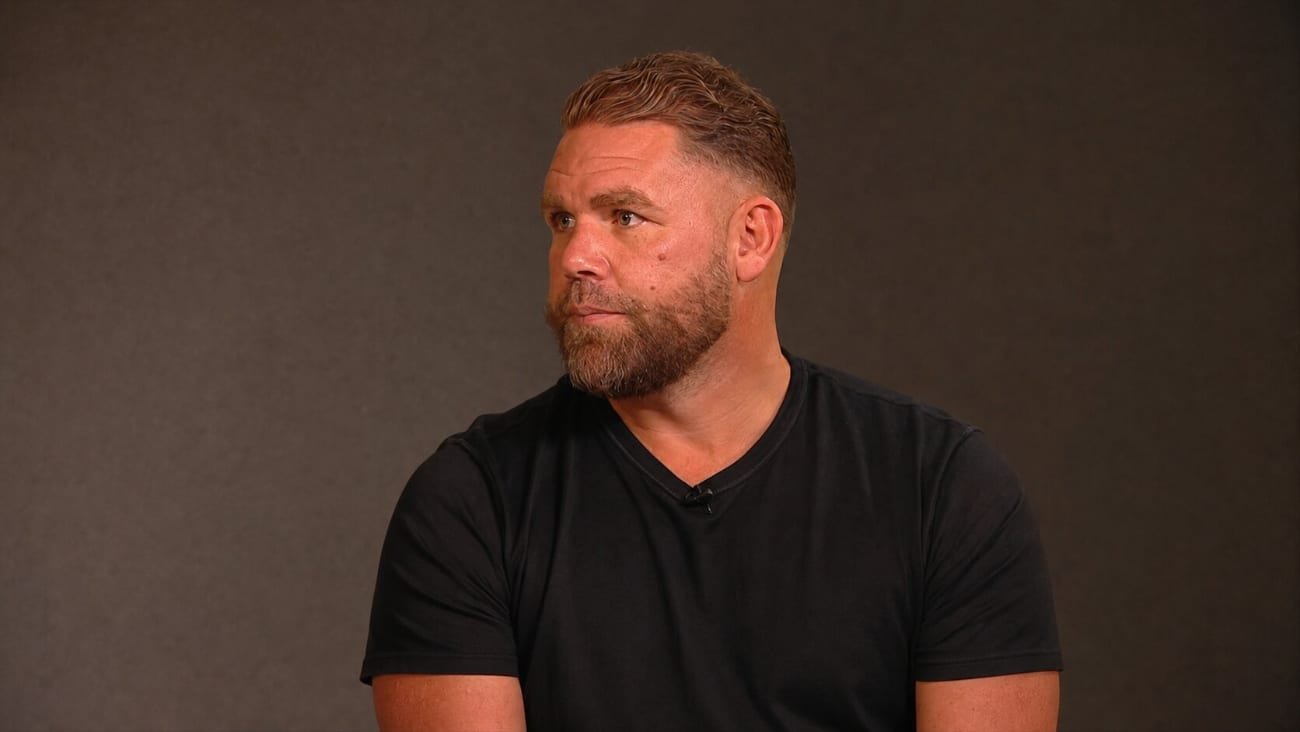


Refusing a tune-up comes across as lazy, but it also reveals concern. A preliminary fight brings the possibility of losing before reaching the lucrative Eubank rematch. Jumping directly into the main event secures the money before anyone ruins the plan.
There is no interest in working toward championship contention or testing himself against younger fighters near the top of the division.
“My goal is not to come in and go, ‘Right, I’m back in the game. I want to be a world champion.’ I’m living in reality. The only person I would really come out for is clearly a Eubank fight. That is about it because I know I can go in without any warm-up and beat him,” Saunders said on talkSPORT Boxing.
That confidence rests heavily on his narrow win over a raw Eubank in 2014. Considerable talent was already visible in the younger fighter, although he never reached the level of Canelo or Gennadiy Golovkin.
Credible wins over Andy Lee and David Lemieux followed, with the Lemieux fight producing Saunders’ finest display. Still, he never defeated an elite opponent. Much of his career was spent against domestic and European-level competition, while his lone meeting with a top pound-for-pound boxer ended on the stool with a fractured orbital bone.
A boxer dependent on timing and reflexes faces severe danger after such a lengthy layoff. Place this version of Saunders against Carlos Adames or Yoenli Hernandez and their power may overwhelm him. Even 43-year-old Erislandy Lara presents a difficult test through his timing, accuracy and experience.
History, name recognition and a large purse make the Eubank rematch valuable. A tune-up brings risk without the same financial reward. This is a calculated business decision, but refusing to test himself first confirms that it is a payday fight rather than a serious comeback.

