


There’s been an ongoing discussion around what can be done to increase interest in pro rugby in New Zealand – in particular, Super Rugby.
Much of the talk has generally centred on the game itself, or the gameday experience.
I’m not sure the 80 minutes each week and halftime entertainment is where the focus necessarily needs to lie in the quest to generate more interest in Super Rugby.
As strange as that sounds.
It is the days between games and the months between seasons that need to be addressed – in my opinion anyway.
The problem with Super Rugby is it doesn’t create enough intriguing storylines and speculation to make for a compelling professional sports competition.
My guess is New Zealand Rugby’s central contracting model is the key reason for that.
What we end up with is announcements that say Player X has signed with New Zealand Rugby for the next three years – and somewhere buried in that announcement is a line saying: “By the way, Player X will continue to play for the Hurricanes”.
On the back of that, Super Rugby feels like a glorified four-month All Black trial.
The competition needs to fuel more storylines than who is going to play in the No 6 jersey for the All Blacks.
There needs to be added intrigue around one team trying to raid another team for a marquee player or two to bolster their chances for the following year.
The NRL has that drama in spades. That’s how the NRL attracts so much attention in the days between games and the months between competitions, and that eventually leads to gameday interest.
For those storylines to happen in the New Zealand rugby landscape, Super Rugby organisations probably need to be privatised, and the central contracting model revamped.
Then let the Super Rugby officials scrap each other – so to speak – over player signatures.
There also, most probably, needs to be a better salary cap system in place to create that tug of war over marquee players.
Again, if I put the spotlight back on the NRL, that happens.
The likes of the Penrith Panthers have had a dominant era, but they have always struggled to keep their roster intact because players’ values go up and they can’t keep them all within the salary cap.
Other NRL teams circle their marquee players, and it creates that speculation and those storylines that I’m talking about.
In New Zealand, the Crusaders win seven Super Rugby titles in a row and hardly lose a player to another team, unless they head overseas.
This is a really gross generalisation on my behalf, but rugby in New Zealand feels like they try to stage-manage everything to the last minute.
Then if something or someone upsets that, they flip out instead of just welcoming the attention.
Here’s an example of that.
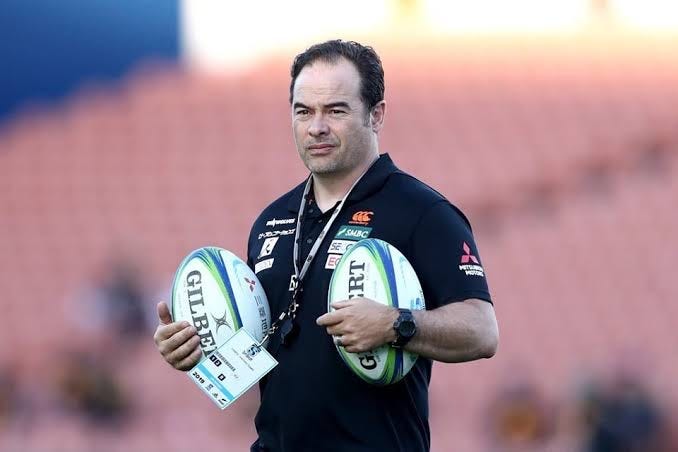
In recent weeks, the Crusaders decided that ousted All Blacks assistant coach Scott Hansen will take over from Rob Penny as its head coach in 2027.
While Hansen’s appointment had been signed, sealed and sorted, the thought at Crusaders HQ was to wait until after the 2026 Super Rugby season to announce it.
It was something about not wanting to take the attention away from this year.
My message to them would have been, just get it out there and welcome the added attention the team and the competition might get.
Inevitably, a sports journalist got wind of the Hansen appointment and wrote a speculative story saying so, blowing the Crusaders’ stage-managed approach.
That appeared to rile the Crusaders, particularly current coach Rob Penny. They were a grumpy bunch at Crusaders HQ.
Again, welcome the attention.
They had people talking about Super Rugby one day in light of that speculative article and then again the next day when it was officially confirmed by the reluctant Crusaders.
In my time covering sport, nobody generated attention and headlines better than pro boxing.
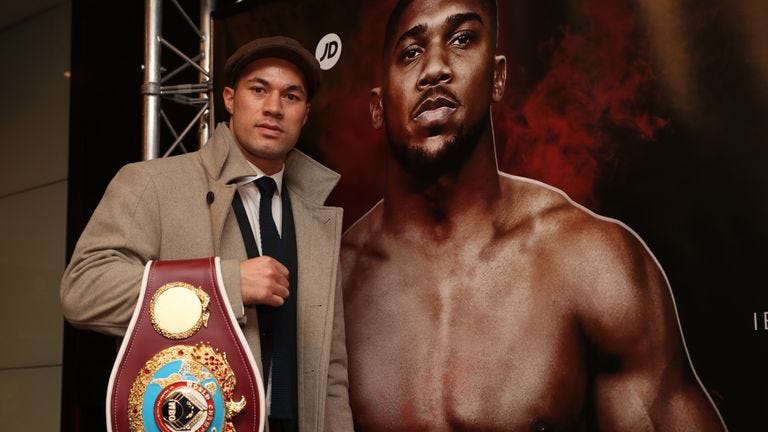
So much so that when I was covering the sport for Stuff, Joseph Parker’s promoters would ring me with a tip-off that blew even their own announcement.
The tip-off was along the lines that it’s likely Parker will be fighting so-and-so in his next bout, while there was no official confirmation.
The message was: Use that info how you wished.
That night there would be a speculative-type lead sports story published on Stuff saying that it is understood Parker is likely to fight such-and-such in his next bout and it appears his promoters are closing in on making an announcement.
The next morning Parker’s camp officially confirmed it by plastering it all over their social media channels, while also holding a formal press conference.
At the time, I liked to think someone was giving this battling sports journalist a helping hand by offering up a decent scoop ahead of the official announcement.
In reality, those boxing promoters were the masters at maximising coverage for Parker, and obviously the events they were trying to promote.
They were able to generate headlines and water-cooler talk across multiple days for one single announcement.
Again, Super Rugby needs to find ways to attract more attention outside the 80 minutes itself.
One of those ways should be a player draft.
The idea generally has not been welcomed by the Players Association, which has largely ended a lot of the discussion before it has started.
However, leading player agent Bruce Sharrock this week floated the concept, which might suggest it is not completely off limits with players.
Sharrock’s idea of how a player draft could work is exactly how I see it working as well.
At the moment, Super Rugby teams have the bulk of their squads sorted prior to the NPC season starting in August. Sharrock reckons 95% of contracts are already sorted for the 2027 season.
The idea would be that all teams must leave a minimum of five contracts open for the annual draft.
Players who have not already been locked in would then go into the draft, to be held at the end of each NPC season.
Teams would one-by-one take turns at picking players to fill the remaining five or so Super Rugby contracts.
The likelihood is those draft spots will be taken by breakout stars from the NPC.
As a result, the draft has the potential to add intrigue and interest to both the Super Rugby and the NPC
People will point out there was a draft of sorts in Super Rugby’s early days where teams would pick up the odd player from another region.
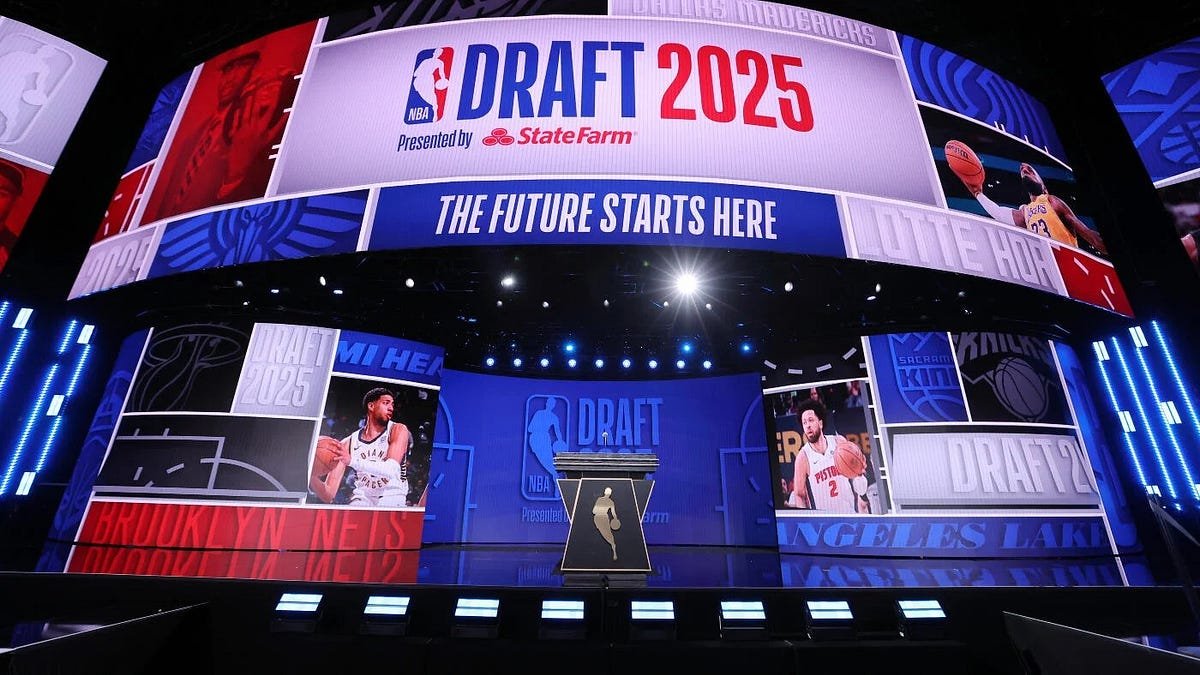
But looking at this through the lens of generating more intrigue and capturing attention, you would also televise the annual draft as it plays out live, as you see with the AFL, NFL, and NBA.
All of a sudden, you would have Super Rugby fans interested in what their teams are up to, recruitment-wise, in November, when traditionally the competition is in a coma, in terms of fan engagement.
You would get significant eyeballs on that live televised draft, and with that also comes added value for sponsors.
Sharrock certainly gets the potential when he made this comment about a draft: “The fan is watching NPC every week, the media, the marketing machine, is talking about who’s hot, who’s not. The talk shows are about the young kid who will slot into the Chiefs.
“Then ultimately you have a draft day. Try and create something for the fan. For the life of me I can’t see why we can’t do that.”
New Zealand Rugby can continue to look at the 80 minutes, the halftime entertainment, etc to try to help pro comps survive, but in reality, that’s a small part of it, in my opinion.