

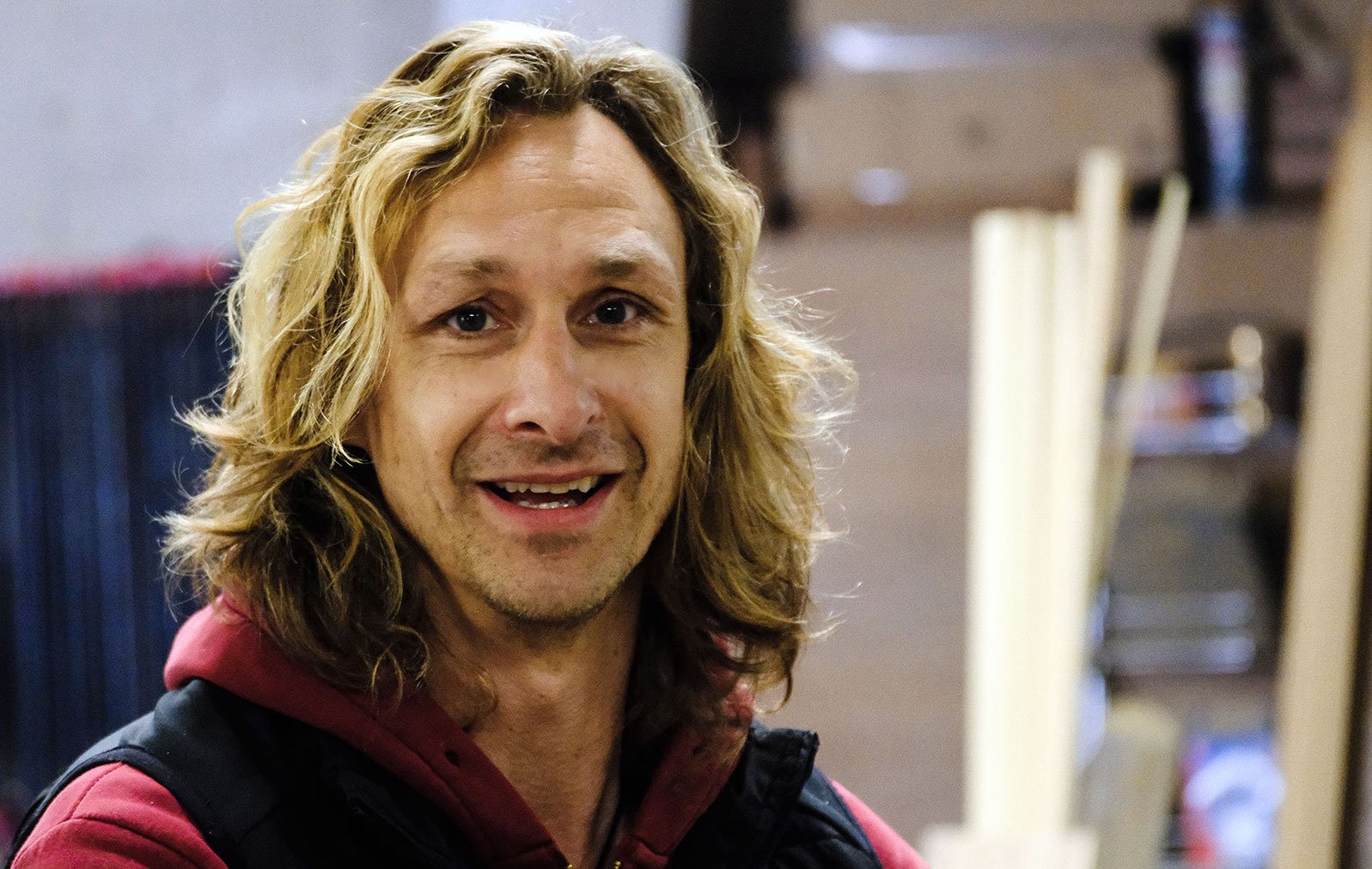
In his workshop in Saint-André-de-la-Roche, the 43-year-old Englishman shapes wood with the same dedication he once brought to tackling opponents on Premiership rugby fields. A portrait of an unusual career change.
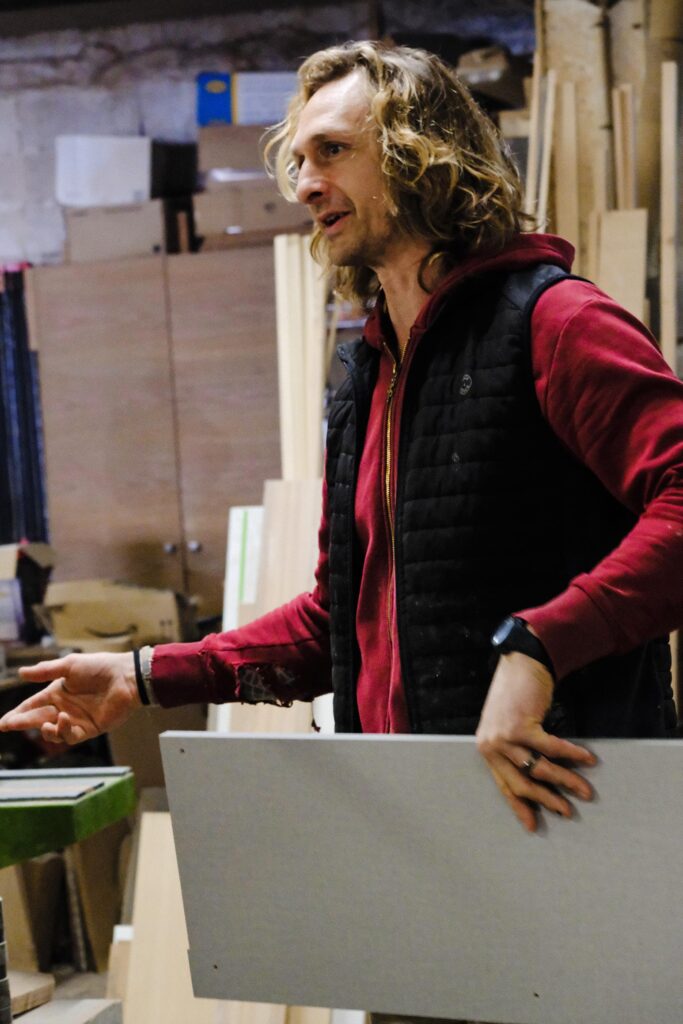
The workshop sits on the hills above Nice, in Saint-André-de-la-Roche. Martin Purdy moves between imposing machines and larch planks scented with resin. It’s hard to imagine that this man, whose hands are now marked by splinters, was carrying an oval ball and wearing the black-and-gold jersey of the London Wasps less than a decade ago. Martin was part of the team that won the European Rugby Champions Cup twice, in 2004 and 2007.
“My last match was on October 29, 2017, my 36th birthday. Dislocated shoulder,” he recalls with characteristic British composure. After two shoulder operations, the verdict was clear: his professional rugby career was over.
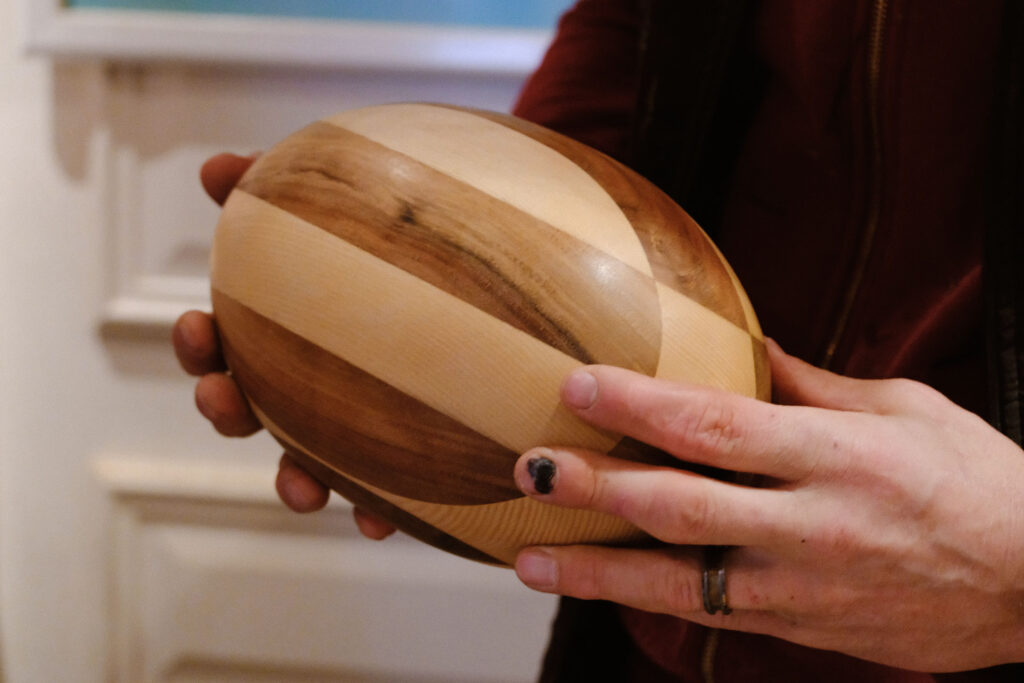
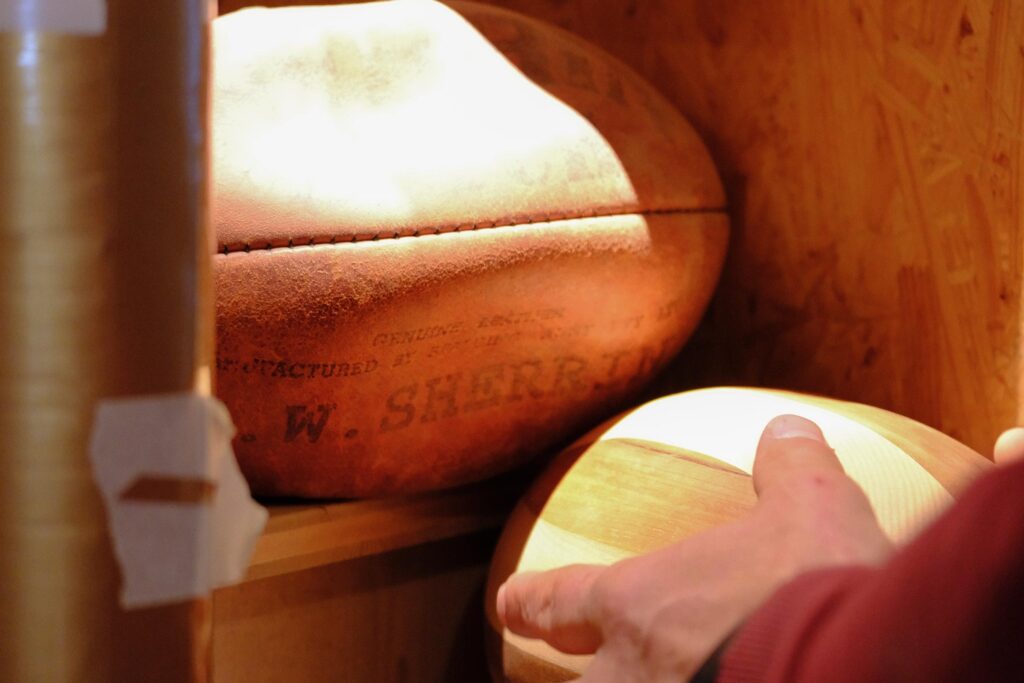
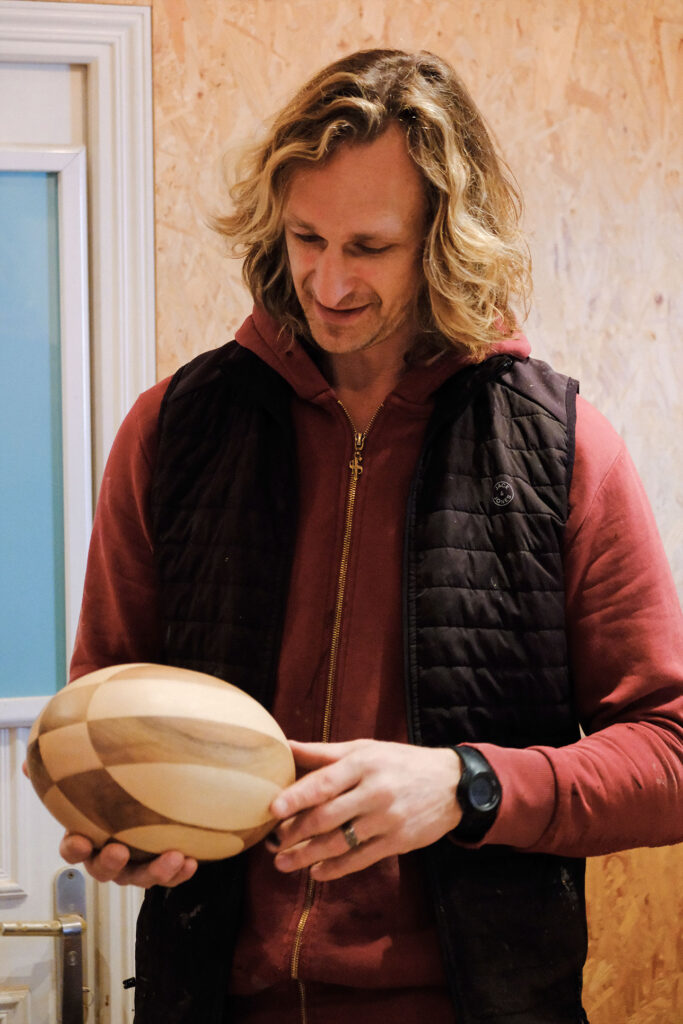
In a corner of the workshop, Martin keeps reminders of his sporting past. He even crafted a wooden rugby ball himself.
From Cambridge to dovetail joints
Before carpentry, Martin Purdy’s journey reads like a sporting adventure novel.
Born in Crawley, Sussex, he studied engineering at the University of Cambridge and represented England at Under-18 and Under-21 level. In 2003, he signed for the Wasps. Over four seasons, he won two European Cups and two Premiership titles.
His career then took him to Bath, a season in New Zealand with North Harbour, two clubs in Italy, London Welsh, and later RC Massy in France’s Pro D2 league. He finished his playing career with Rugby Olympique de Grasse, where he also worked as a coach.
“I travelled the world with a rugby ball. But a coaching career never really interested me,” he explains.
When rugby ended, the question of what came next became unavoidable. He considered a career in finance and even completed CFA Levels 1 and 2. However, a brief internship at a bank quickly changed his mind.
“I didn’t last a week. Money doesn’t motivate me. I needed to do something I genuinely enjoyed.”
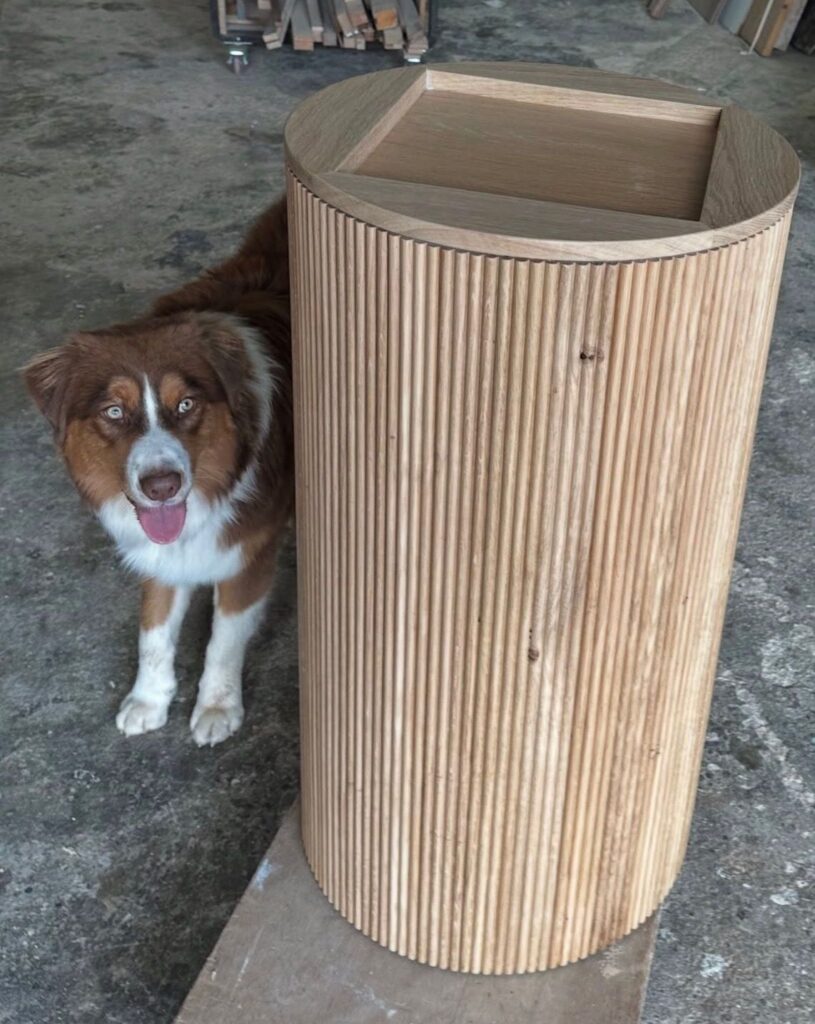
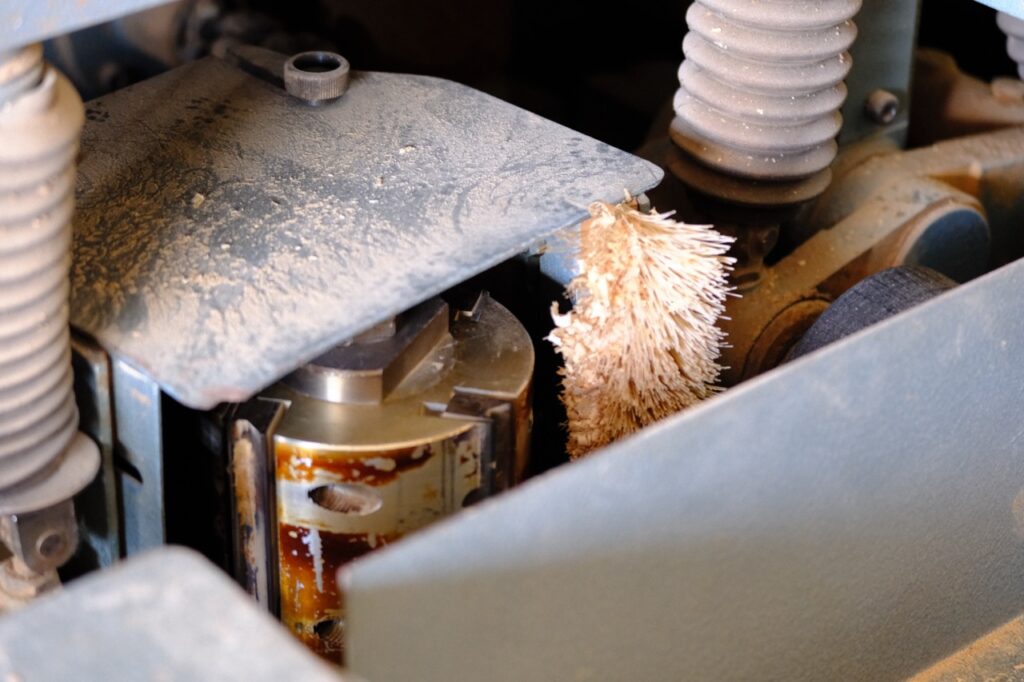
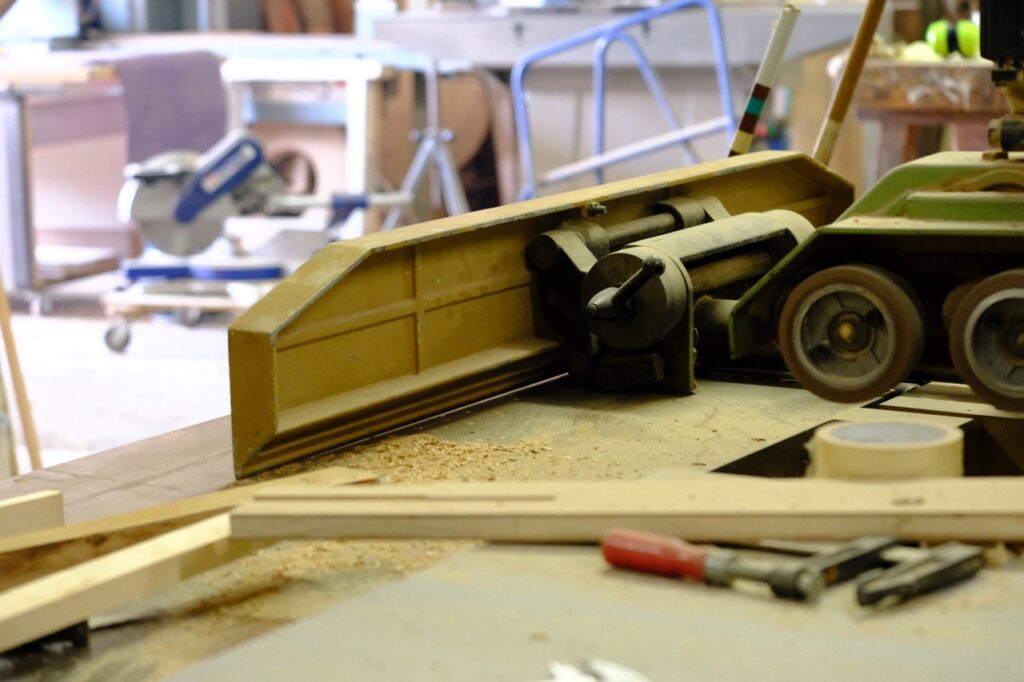
At home, he was already tinkering in his garage. He watched YouTube tutorials and practiced dovetail joints, one of the classic techniques of fine woodworking.
Eventually, he became an apprentice under a craftsman named Claude.
“At 36, I was probably the oldest apprentice in France.”
Martin learned the fundamentals of carpentry through hands-on work, filling gaps in his knowledge with instinct and determination. He earned his vocational qualification (CAP) and launched his own business in 2019.
Monaco’s mentor
Career paths are rarely entirely accidental, and once again, rugby played a role in Martin’s next chapter.
Through a teammate at the Grasse rugby club, Martin was introduced to Thierry Lanfranchi, an experienced carpenter who had spent many years working in the same workshop. Lanfranchi, a former Racing Club rugby player who had once coached Martin’s teammate as a teenager, eventually passed on the lease and half of the workshop’s machinery to him.
Today, Martin shares the workshop with Julien, a fellow independent carpenter who regularly collaborates with him on larger projects. Alongside this partnership, Martin continues to benefit from the guidance of an invaluable mentor: Richard, whom he describes as “the reference in Monaco.”
The son of a carpenter, Richard is involved in some of Monaco’s most prestigious residential developments, including Formentor and Roccabella.
“He has taught me an incredible amount,” Martin says. “Whenever I’m unsure about a project, he’s the first person I call. Having a mentor of that calibre is priceless.”

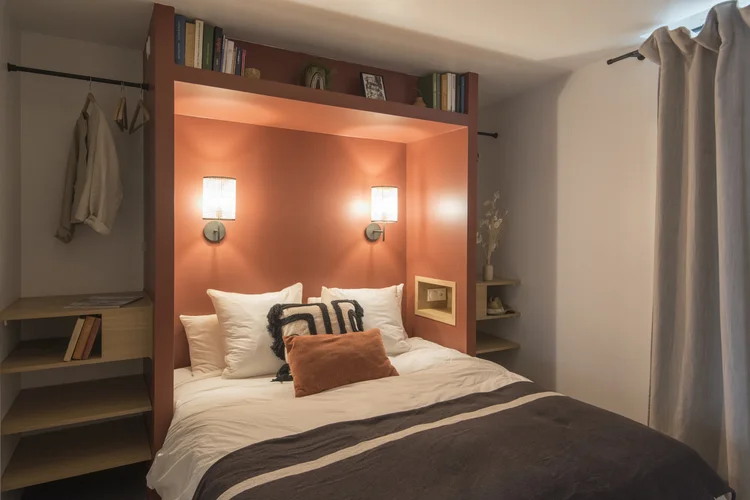
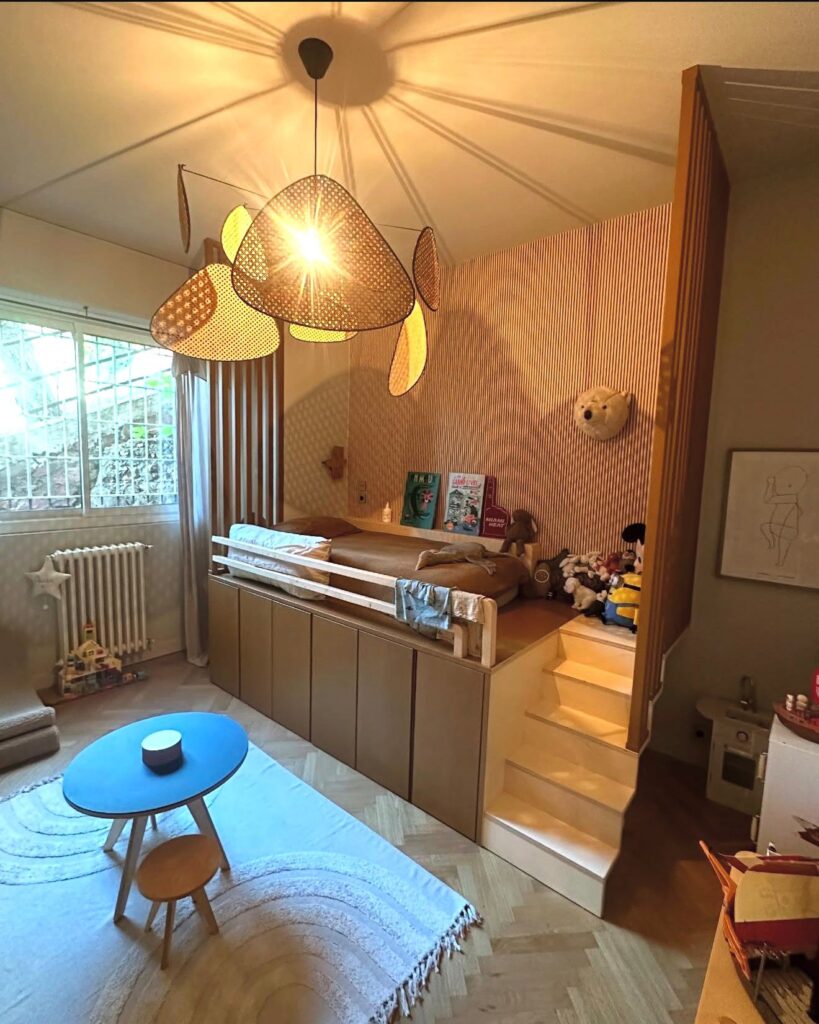

Martin built his client base through word-of-mouth recommendations and informal networks. Several architects now contact him regularly.
He rebuilt the oak interior of a pub in Cannes after a fire and has completed projects for establishments such as Manolans and Le Bateleur in Nice.
“The network also gets built at the bar counter,” he jokes, displaying the social instincts of an Englishman well acquainted with rugby’s traditional post-match gatherings.
Excellence as a guiding principle
His most ambitious current project is in Drap, in the hills behind Nice. It’s a house whose owner obtained planning permission fifteen years ago and is still working on the interior.
Martin has installed decorative larch beams on the ceilings, covered aluminium joinery with solid wood, and fitted custom-made wall panelling.
“The owner builds without having a very precise vision in mind. I create chipboard mock-ups so he can visualise the result. And sometimes he asks me to adjust something by just one centimetre. It requires a great deal of precision and patience.”
Patience, he says, is one of the most valuable lessons he took from professional sport.
“You can’t be meticulous without being patient. The two go hand in hand.”
His ambition is remarkably straightforward:
“I want people who are looking for perfect workmanship, exactly aligned with their vision, to think of me. I want them to know that I can make it happen.”
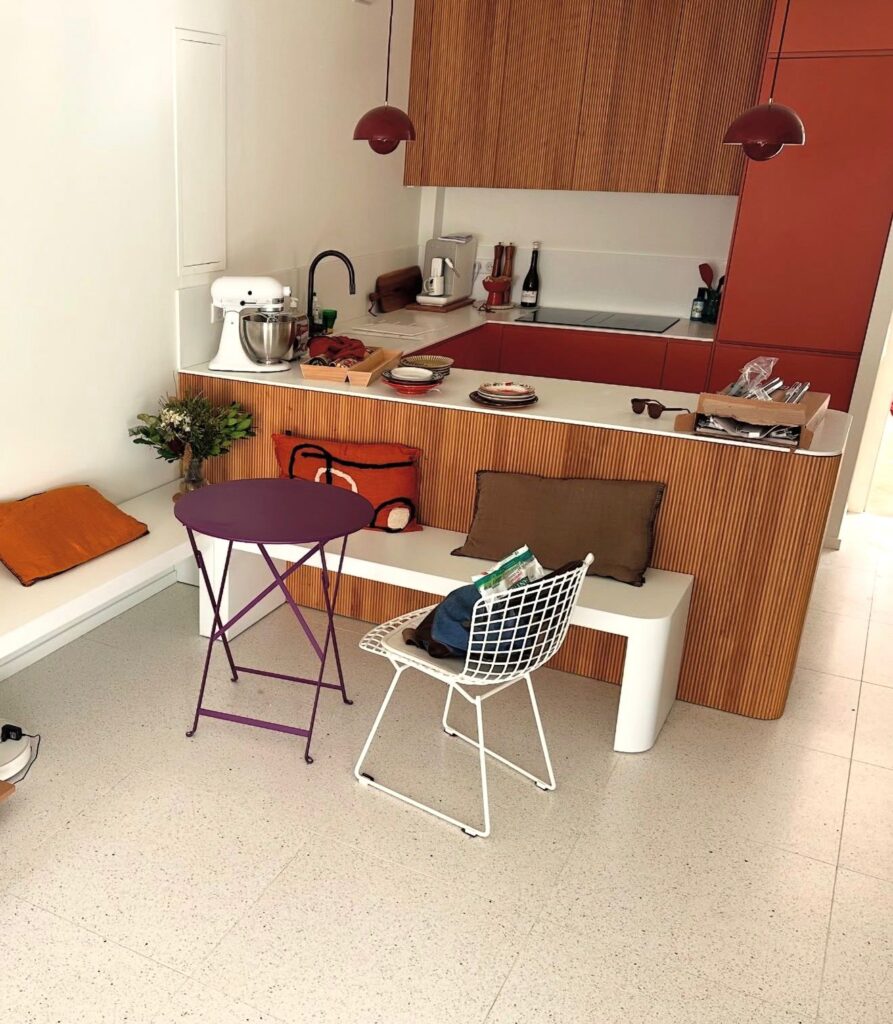
Purdy and Sons
Martin is already thinking about the future.
Now the father of two boys, he plans to rename his company “Purdy and Sons.” He also hopes to invest in a more advanced edge-banding machine and hire both an experienced carpenter and an apprentice.
“The ideal setup would be two teams in the workshop and a third team dedicated to installations. That could work really well.”
This year, however, is already packed. He’s renovating his own home, and another baby is due in July.
In the meantime, he continues learning, project after project, about the quirks of timber: oak that blackens when it comes into contact with iron. Iroko wood that makes you cough. Solid timber that can shrink by five millimetres between the workshop and installation.
“It’s already been seven years, but I still feel like a beginner.”
In one corner of the workshop sits a frame waiting to be completed. Inside will go the jerseys he wore in European finals with the Wasps, a tribute to his rugby career.
“One day I’ll finish that frame,” he promises.
But for now, there’s larch waiting to be planed.
