

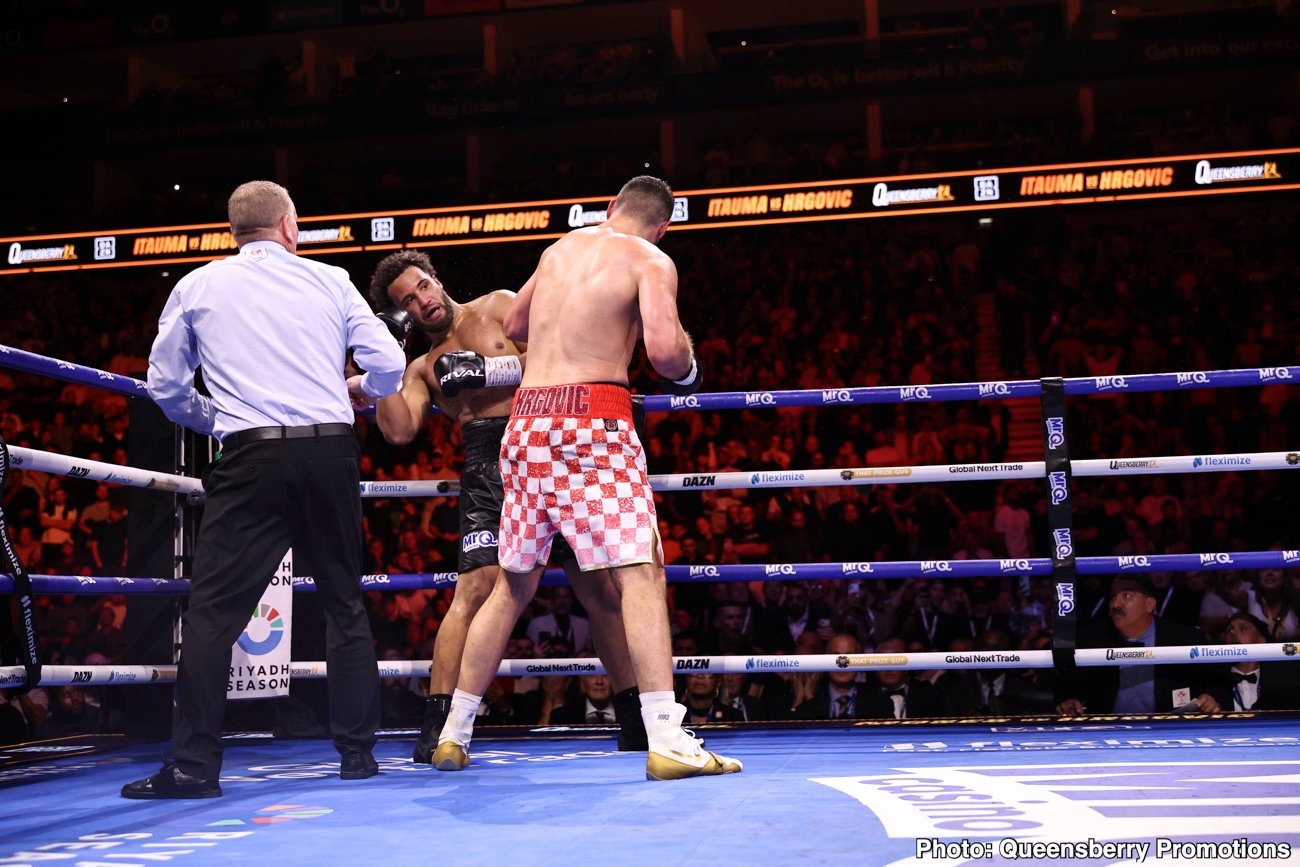


“He needs 10 fights next year. Well, that’s not going to happen… I don’t know if Moses gets back,” Algieri said to Inside Boxing. “The stamina you could fix. It’s the psyche. He got broken by another man… That is going to take time.”
That is a severe judgment. Itauma’s next performances will tell us more about his confidence than anyone can establish immediately after the loss. Still, Algieri’s call for an old school rebuild identifies something missing from the rush toward a heavyweight title: competitive rounds.
Sugar Ray Robinson fought 19 times in 1950, including four appearances in December. Algieri is reaching back toward that era of constant activity, but reproducing even part of it would require Queensberry to change how it presents Itauma. Robinson’s fight record
Ten fights means an appearance roughly every five weeks across a full year. Warren would need ten places on cards, though not ten separate television dates. Undercard slots and smaller shows offer a possible route, provided Itauma does not headline every outing.
Keeping him healthy through that schedule is another difficulty. Preparation, fighting and recovery would run almost continuously. A hand injury or cut might interrupt several planned appearances, while repeatedly preparing for opponents would leave less time to correct the habits Hrgovic exposed.
Before that defeat, Itauma had never boxed beyond six rounds. His early knockdown encouraged him to chase another quick finish, but the effort became costly when Hrgovic survived and continued pressing.
Exhaustion alone does not establish poor conditioning. Throwing repeated bursts of hard punches, moving away and loading up again leaves little opportunity to recover. More roadwork would not automatically correct the decisions that made Itauma spend so much energy. Varying his punching effort would allow him to pursue a finish without committing everything to each attack.
Surviving those stretches requires another set of skills.
A well-timed clinch can interrupt an opponent’s attack and buy a few seconds. Staying balanced behind a compact guard helps a tired fighter protect himself without constantly moving his feet. Those habits must hold up under pressure, something his brief early fights rarely provided.
Queensberry will likely favor softer opposition after such a damaging defeat. Quick knockouts would make frequent appearances easier, but competitive eight or ten round contests would offer more useful experience while requiring greater recovery time.
The useful opponent is someone who can defend, maintain a steady pace and make Itauma work after his opening attacks fail. Even that choice carries risk. No durable heavyweight comes with a guarantee that he will extend a prospect without hurting him.
Fabio Wardley, Joseph Parker, Daniel Dubois, Frank Sanchez and Agit Kabayel offer serious tests further down the line. An immediate Hrgovic rematch makes little sense.
Confidence also needs a firmer foundation than expecting everyone to fall. Itauma has to learn that an opponent surviving his best punches does not require him to throw harder or faster. Banking a round and beginning the next one with energy left would be progress.
Algieri’s number is less persuasive than the developmental need behind it. The value of those fights would depend on what Itauma learns during them. Another collection of opponents who disappear before the third would provide few answers.

