

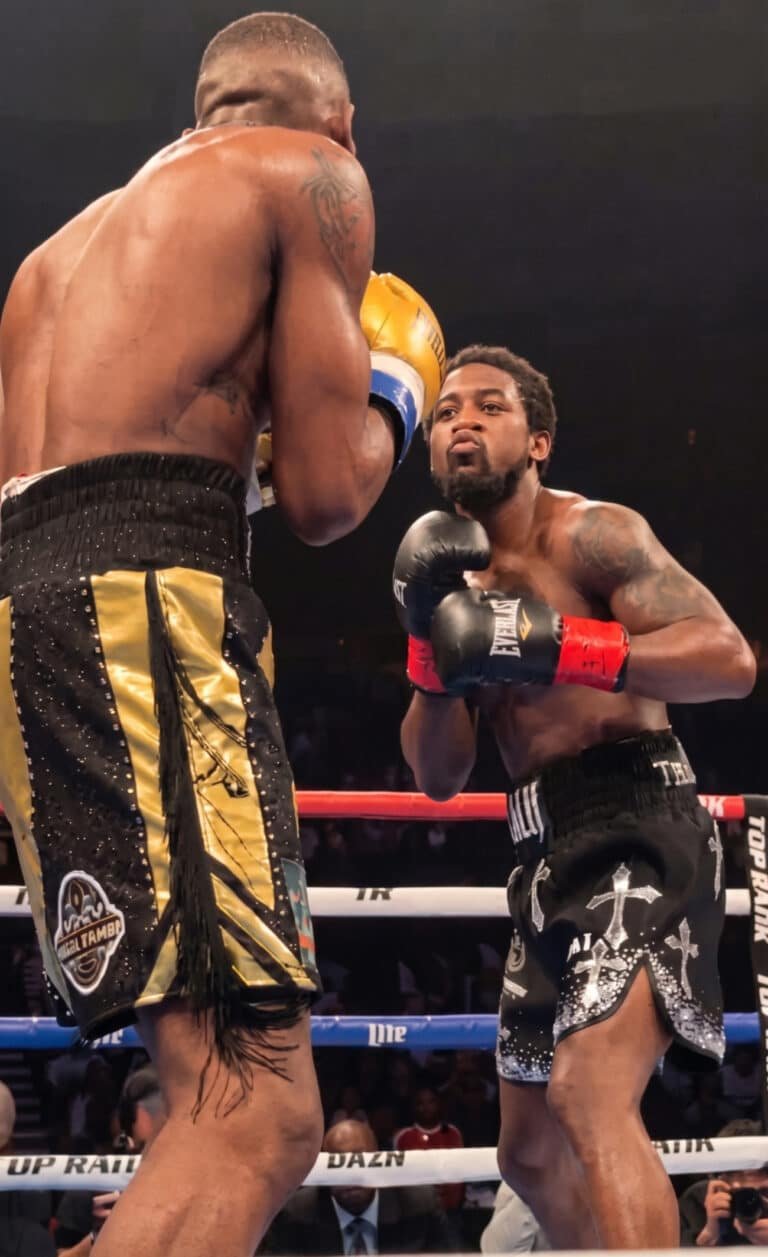


The original offer disappeared once negotiations went to a purse bid. Top Rank’s winning bid left Davis with approximately $2.13 million, but his team withdrew from the mandatory position rather than accept the reduced amount. Davis was said to be seeking $5 million after management fees.
Porter says demanding more money is understandable, but a fighter must remain realistic about his value and the opportunities attached to an offer.
“I didn’t turn down any fights that I thought were a good fight for us, that we could win the fight, and that the pay was right. So, if all three of those things come together, there’s no reason to turn down a fight. Otherwise, you are now pricing yourself out, and you’re hurting your career,” said Kenny to Fight Hub TV.
“Three million dollars, from my understanding, the last fight he had, he made about a million dollars. That’s a great amount. You can’t price yourself out, and you can’t make a bad business decision that’s going to stop you from moving forward with good fights, because that’s what happens once you start to price yourself out. Now you’re going to have to keep yourself there, or people are not going to want to work with you.”
The damage may extend beyond losing the Haney fight. Keyshawn established a $5 million expectation without proving that his fights generate enough revenue to justify it. Other champions may hesitate to negotiate if they believe talks will collapse over his purse demands.
Turning down Haney only works if Davis quickly lands another major fight for comparable money. If his next opponent brings less attention and a smaller purse, the decision becomes a costly miscalculation.
The influx of Saudi money has altered expectations throughout boxing. Porter blamed that spending for fighters demanding purses their ticket sales do not support. Keyshawn may have expected the market to reward his talent, but promoters pay for proven drawing power.

