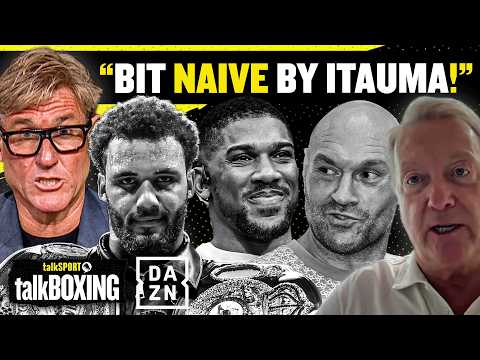



“It won’t be made straight away,” Warren told talkSPORT Boxing. “I would make that in a few fights’ time, providing they both come through. When it does take place, it has to go on in the summer in a football stadium. End of 2027, early 2028? Yeah, that’s the objective.”
Warren Wants the Stadium Fight First
The delay is based more on business than boxing. Itauma and Dubois are already close enough competitively for the fight to attract attention, especially if each owns a heavyweight belt. Warren wants more time to build Itauma into a larger ticket seller and increase Dubois’ value as WBO champion.
Keeping the belts apart also allows Queensberry to promote two heavyweight title headliners on its DAZN schedule. Itauma and Dubois can top different cards, produce their own television revenue and defend against opponents chosen for their individual careers before Warren combines the two audiences.
An immediate fight would eliminate one headliner while the event is still suited to an arena. Waiting allows Queensberry to sell several title fights involving each boxer before eventually placing them together in a football stadium.
Dubois Makes Waiting Especially Dangerous
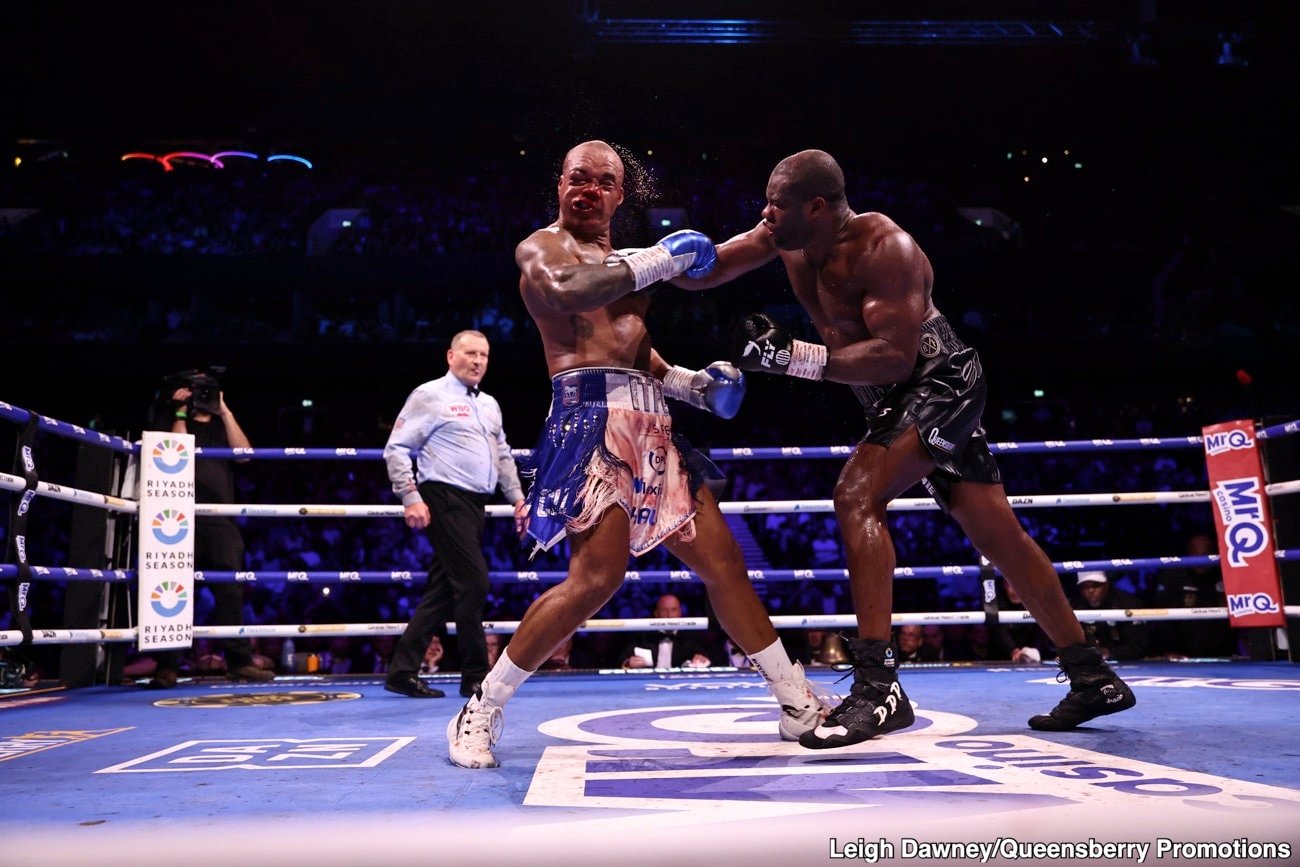
The larger risk is not Itauma. It is Dubois. He has experienced repeated swings in form since Joe Joyce stopped him in 2020. Oleksandr Usyk and Anthony Joshua also stopped him, while Kevin Lerena dropped him three times in the opening round before Dubois recovered to win.
His recent victories have contained warning signs as well. Filip Hrgovic repeatedly landed right hands and damaged Dubois’ face before cuts ended their fight. Wardley then dropped him twice, including during the opening seconds, before Dubois recovered to stop him in the 11th round.
Those wins showed Dubois’ resilience, but they also showed how vulnerable he remains. He has enough power and punch resistance to recover from serious trouble, yet his fights regularly see him struggle.
That history makes Warren’s waiting game difficult to agree with. Dubois must first win the Wardley rematch and then continue defending the WBO belt through 2027. Treating him as one half of a future stadium fight assumes that he’ll keep winning, which his career has never shown.
Anthony Joshua and Deontay Wilder showed what can happen when promoters spend years preserving a heavyweight blockbuster. Unexpected defeats removed the titles and destroyed the original idea. With Dubois, Warren would be exposing the plan repeatedly for another 15 to 18 months.
Itauma Still Needs the Right Fights
Itauma faces Hrgovic for the vacant IBF title at London’s O2 Arena on Saturday night. Hrgovic has the experience, durability and counterpunching power to interfere with Warren’s long-term plan. If Itauma wins, he is due to defend against Frank Sanchez in December.
Additional fights would allow the 21-year-old to narrow the seasoning difference with Dubois. Itauma has not been forced to think under pressure against a major puncher over the later rounds. Dubois has already endured difficult fights with Usyk, Hrgovic, Joshua and Wardley.
Time alone will not provide Itauma with that education. If Queensberry continues matching him against opponents who fall apart within a few rounds, he may arrive at the Dubois fight older but not substantially more prepared. The developmental value depends upon the opposition Warren chooses between now and 2027.
Putting the fight off to build Itauma gives Dubois plenty of time to get beaten. Warren is trying to increase the event’s value while relying upon the less dependable fighter to keep it intact.
Itauma vs Dubois is not a fight Queensberry is preparing to make next. It is a stadium project Warren hopes to preserve while collecting revenue from two individual heavyweight careers. With Dubois having a track record of letting fights slip away, Warren is playing with fire. By the time 2027 or 2028 rolls around, the belts could be gone, the stadium crowd could vanish, and the entire promotion could go up in smoke.