

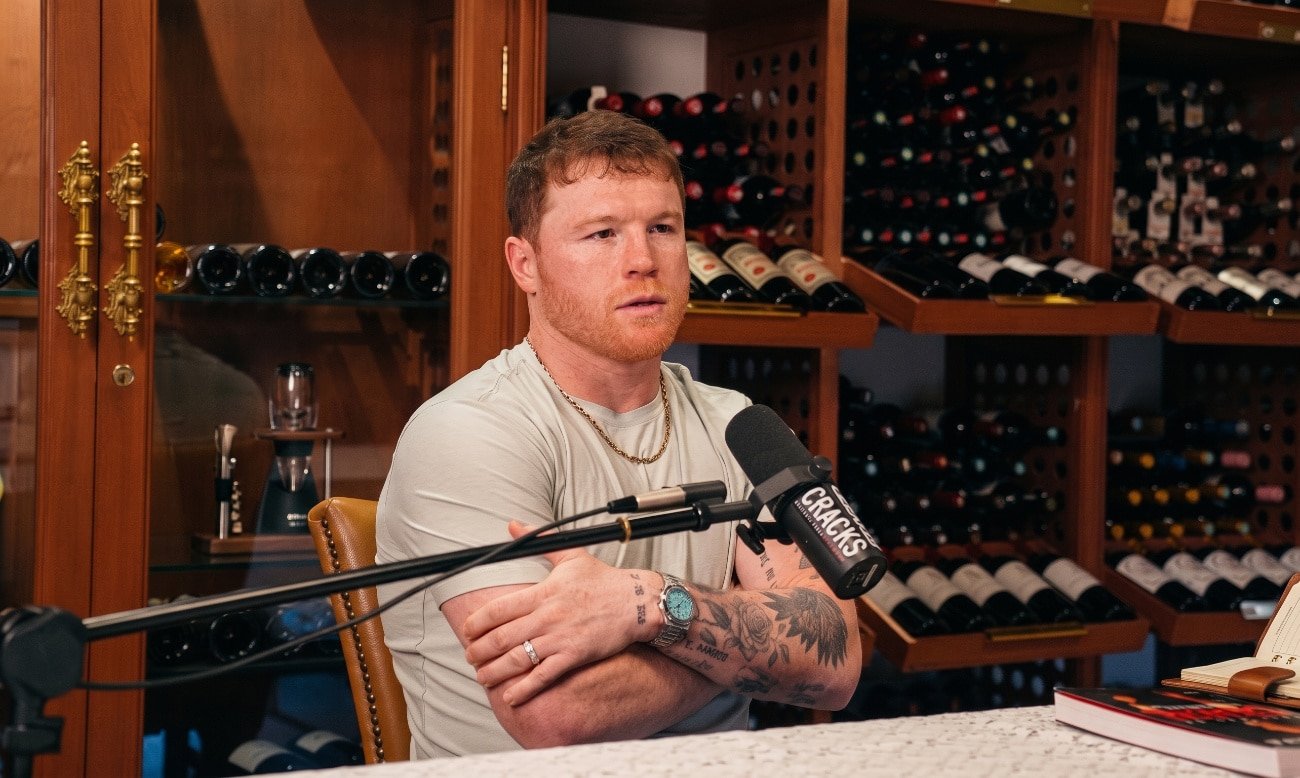


“I don’t have much left in boxing. I have other things I want to achieve outside of boxing. My body will be the one that tells me when to retire,” said Canelo to Ariel Helwani and CBS Mornings.
He has indicated that he expects only three or four more fights before hanging up the gloves. That would sound routine for a fighter with Canelo’s mileage if he were facing a soft opponent. Mbilli is anything but that.
The WBC super middleweight champion brings pressure, physical strength and a high work rate against an older opponent who lost his undisputed crown to Terence Crawford in 2025. Mbilli will try to make Canelo work for three minutes of every round rather than allowing him to settle into a comfortable pace.
Retirement talk before that kind of fight can look very different afterward.
If Canelo struggles or loses on October 31, his earlier comments about having little time left in boxing will immediately become part of the explanation. It creates the appearance of a ready-made excuse for decline before Mbilli has even had his opportunity to test him.
The difference between the two fighters is difficult to miss. Mbilli is fighting for what he still wants to accomplish in boxing. Canelo is already discussing what he wants to accomplish after it.
That does not mean Canelo has mentally checked out. He may still have enough left to beat Mbilli and continue for several more fights. But discussing retirement so openly before facing a hungry champion invites questions about how much he remains invested in the grind required to stay at the top.
If Mbilli forces him into a punishing 12-round fight, Canelo may get the answer from his body sooner than he planned.

