

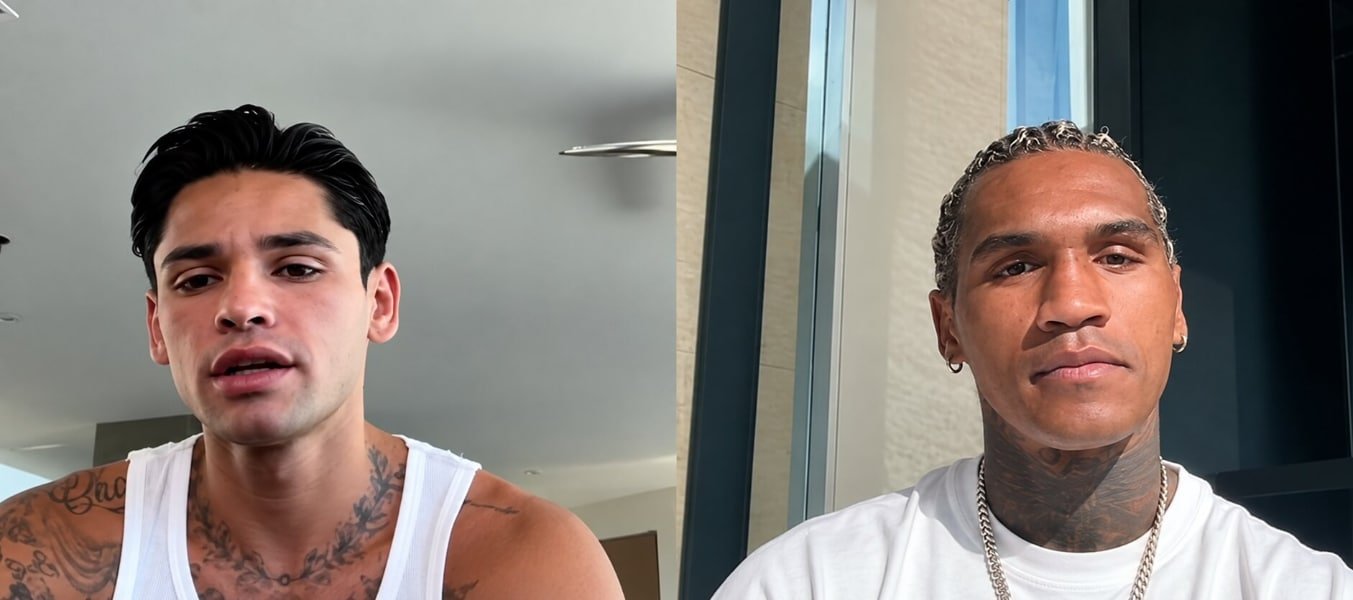


“You’re going to get this ass cooked, bro. You don’t even look on weight right now. Not even close. So, you’ve got a lot of work to do. We know what you’ve got to do after this,” said Ryan to First Take in his conversation with Benn. “Probably get in the sauna, probably do a lot of things. I’m chilling. So, I just don’t want to hear no excuses. I don’t want to hear, ‘Oh, you know, I was dehydrated. I was this. I was that.’ Please, just don’t give me no excuses.”
That was the most revealing part of their exchange. Ryan was relaxed enough to tell Benn that he was “chilling,” while painting a picture of his opponent sweating out the remaining pounds in a sauna.
There is obvious irony in Ryan lecturing another fighter about weight. He missed the 140-pound limit by more than three pounds against Devin Haney in 2024. Two years later, Ryan is the WBC welterweight champion and acting like the responsible adult monitoring Benn’s final cut. After taking the title from Mario Barrios in February, Ryan now makes his first defense. This is his chance to show that the discipline required from a champion has replaced the scale trouble and erratic behavior that previously followed him.
His April fight against Regis Prograis took place at a 150-pound catchweight, so Benn is not dropping directly from middleweight. Still, those three pounds matter when a fighter has spent years adding muscle for bouts at junior middleweight and middleweight.
Getting down to 150 once does not guarantee Benn can complete the final reduction without paying for it. The concern is not simply making the number. It is what Benn has left after he reaches it.
Applying pressure for 12 rounds requires active legs and plenty of energy. Benn’s punch resistance may also suffer if the final cut takes too much out of him. He cannot afford to slow down while charging into Ryan’s best weapon.
Those attacks often begin with Benn dipping forward as he tries to close distance with speed and aggression. If dehydration reduces his head movement, those entries may become easier to time. Ryan’s quick check left hook is built to punish an opponent rushing at him without moving his head sharply.
The repeated use of “I’m chilling” was deliberate. Ryan presented himself as calm and comfortable while Benn talked about graveyard shifts, pressure, and punching through his face. Benn wants intensity to look like commitment. To Ryan, it looks like desperation.
The goal is to make Benn angry enough to attack recklessly from the opening bell. Controlled pressure gives Benn a chance to crowd Ryan and work inside. Emotionally charged lunges give the champion the space to land his left hook.
Capturing the welterweight championship his father, Nigel Benn, never won brings additional personal motivation. That may sharpen Conor, but it may also tempt him to force the knockout he predicted. The weigh-in provides the first genuine test. If Benn arrives gaunt and exhausted, Ryan’s accusation will sound less like routine trash talk and more like an early diagnosis.
A clean performance on the scale would answer him. Anything else gives Ryan another psychological victory before either fighter throws a punch.

