

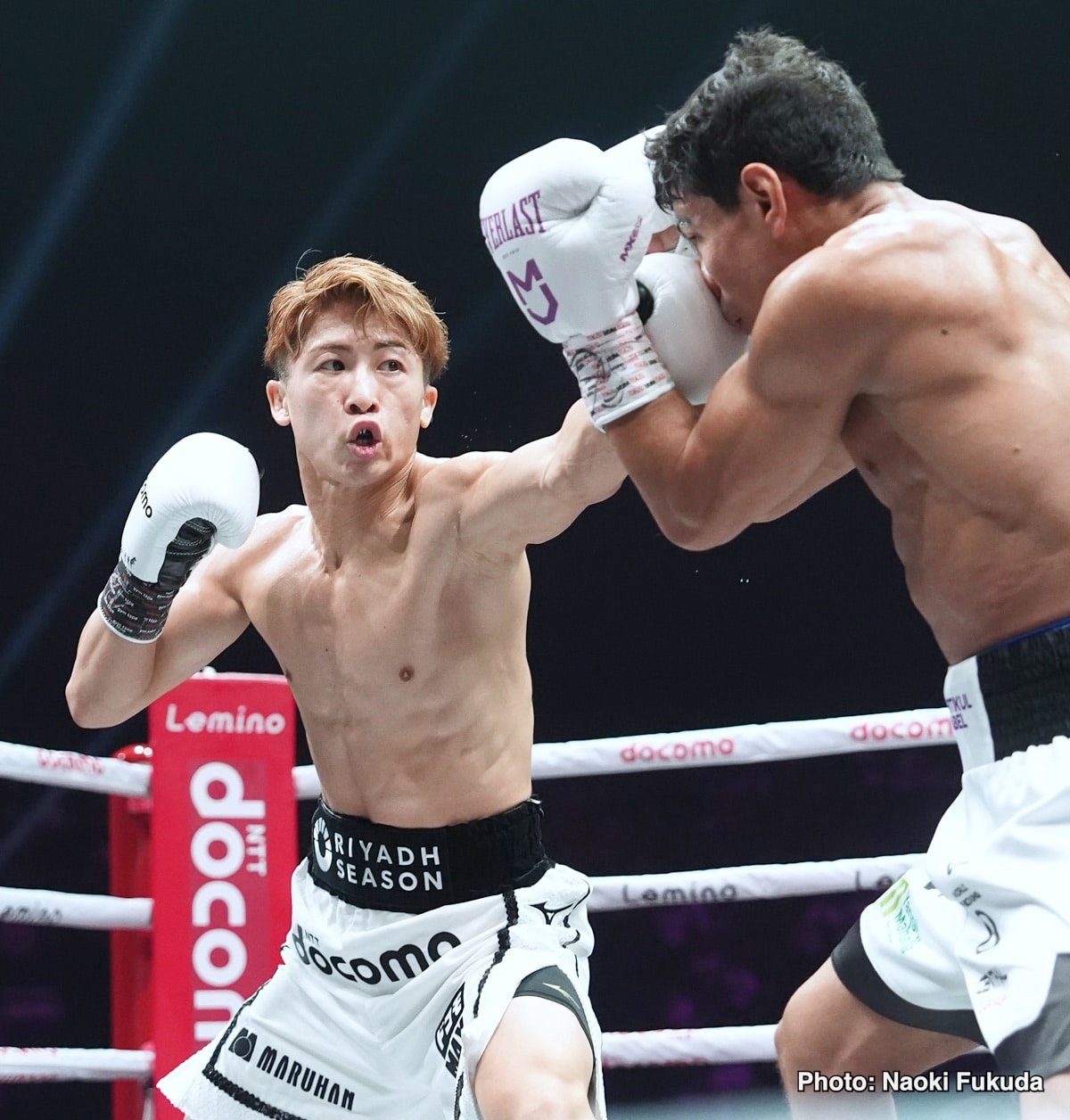


“He messed up with me, but he’s not going to mess up the second time. Even when I fought him, I knew what he was doing. He put his hands down, but after that first punch, I didn’t catch him anymore. It wasn’t there anymore, and I kept looking for it,” Cardenas said to Ring.
Since then, Cardenas has noticed Inoue keeping his hands higher. He believes the Japanese champion also showed greater defensive discipline against Murodjon Akhmadaliev and Junto Nakatani.
That creates a serious issue for Rodriguez. Recognizing one of Inoue’s weaknesses is much easier than forcing him to repeat it. Inoue learned during the Cardenas fight and denied him another clean opportunity before stopping him.
Rodriguez also gets hit too frequently to spend an entire fight trading with a stronger and more explosive super bantamweight. Juan Francisco Estrada and Sunny Edwards both caught him clean, but neither carried Inoue’s speed or one-punch power. Accepting two punches to land three may work against smaller opponents. At 122 pounds, the first clean counter could change the entire fight.
Bam produces much of his offense by stepping inside, changing angles and attacking the body with combinations. That would place him directly within range of Inoue’s short uppercuts and hooks. Rodriguez would have to remain close enough to work without staying in front of Inoue after finishing. One slow exit or extended exchange could leave him open to the type of counter that smaller fighters have been unable to deliver.
Cardenas would support his fellow San Antonio boxer if the fight happens, but he stopped short of selecting a winner. He has known Rodriguez since childhood and revealed that Bam originally boxed right-handed before converting to a southpaw at approximately 10 or 11 years old.
His loyalty is understandable, but the technical observation is more revealing. Rodriguez may know where Inoue can be caught, but Inoue already knows where Rodriguez will be looking.

