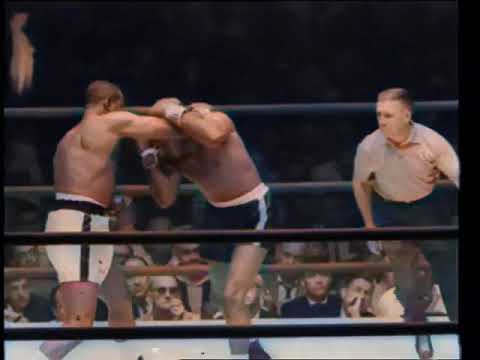

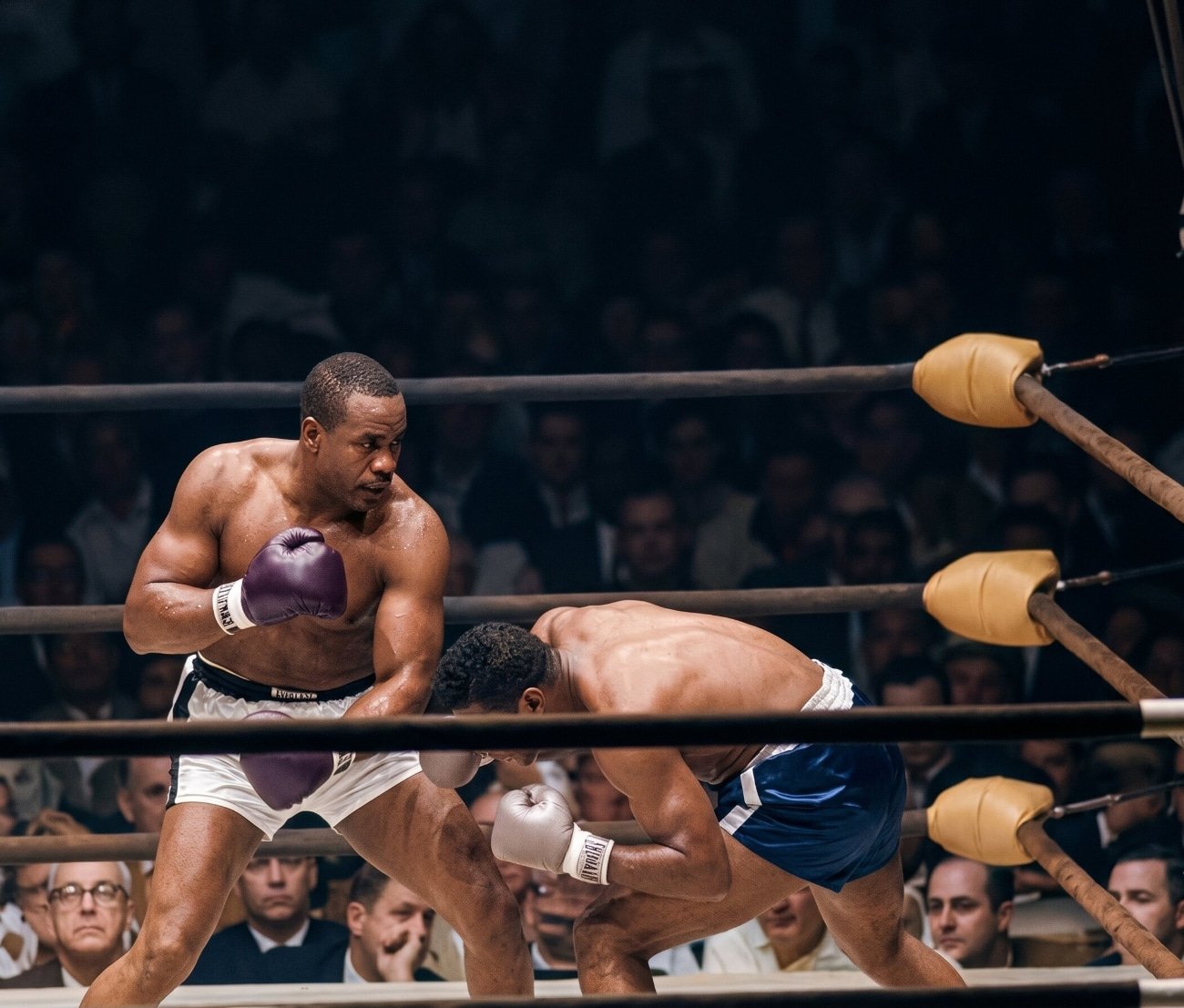


The fight itself did nothing to silence those critics.
Liston retained the undisputed heavyweight championship with another first-round knockout at the Las Vegas Convention Center, stopping Patterson at 2:10 of the opening round. The bout lasted only four seconds longer than their first meeting, giving Liston consecutive first-round knockouts in heavyweight title defenses, a feat no champion had accomplished before.
The championship had been delayed several times before the opening bell. An injured knee forced Liston to postpone the original April date, while Patterson later required surgery to remove a benign tumor from his right hand. By the time the contest finally took place, few observers believed the additional months had changed the matchup.
Liston entered as a four-to-one favorite despite reportedly cutting back on training. A poll of sportswriters overwhelmingly picked the champion to repeat his earlier victory.
Patterson tried to attack from the opening bell, enjoying slightly more success than he had in their first encounter. The former champion landed a few punches, but he struggled to stay outside Liston’s reach for long. Once the champion found his timing, the fight quickly unraveled.
A series of heavy punches dropped Patterson for the first knockdown. He rose twice before Liston forced him back to the ropes. Another barrage followed. Patterson crashed to the canvas for the third time. Referee Harold Krause completed the count with Patterson unable to continue.
The fight also carried historical significance away from the action. It became the first heavyweight title bout recognized by the newly formed World Boxing Council. Financially, it broke new ground as boxing’s first million-dollar purse event, with both fighters guaranteed more than $1.4 million through the promotion’s revenue agreement.
The aftermath reached beyond Liston’s successful title defense. One month later, the World Boxing Association voted against approving future championship contracts containing automatic rematch clauses, citing the Patterson-Liston sequel as an example of a title fight driven by contract rather than competitive merit.
Seven months later, Liston’s aura of invincibility disappeared when Cassius Clay stunned him to capture the heavyweight championship. Patterson never fought for the title again, leaving their brief rematch as the closing chapter of one of boxing’s most one-sided championship rivalries.